
Why High-Security Lock Installation Starts with the Mortise Lock
The mortise lock is the gold standard for commercial entry doors, and understanding why matters before you invest in any upgrade. Unlike a cylindrical bored lock that clips into a drilled hole, a mortise lock is set into a deep rectangular pocket machined into the door edge. That recessed body houses a deadbolt, a latch, and in many configurations an anti-pick, anti-drill, and anti-bump pin stack — all in a single hardened unit. For Irvington businesses, where door frames often reflect decades-old construction, a properly installed mortise lock dramatically stiffens the entire door assembly, not just the cylinder. Our commercial locksmith technicians evaluate the door material, frame condition, and strike-plate anchoring before recommending a specific cartridge, ensuring the mortise pocket is cut cleanly and the escutcheon sits flush without play. The result is a lock that looks integrated because it is — and one that resists the pry-bar attacks that defeat surface-mounted hardware.
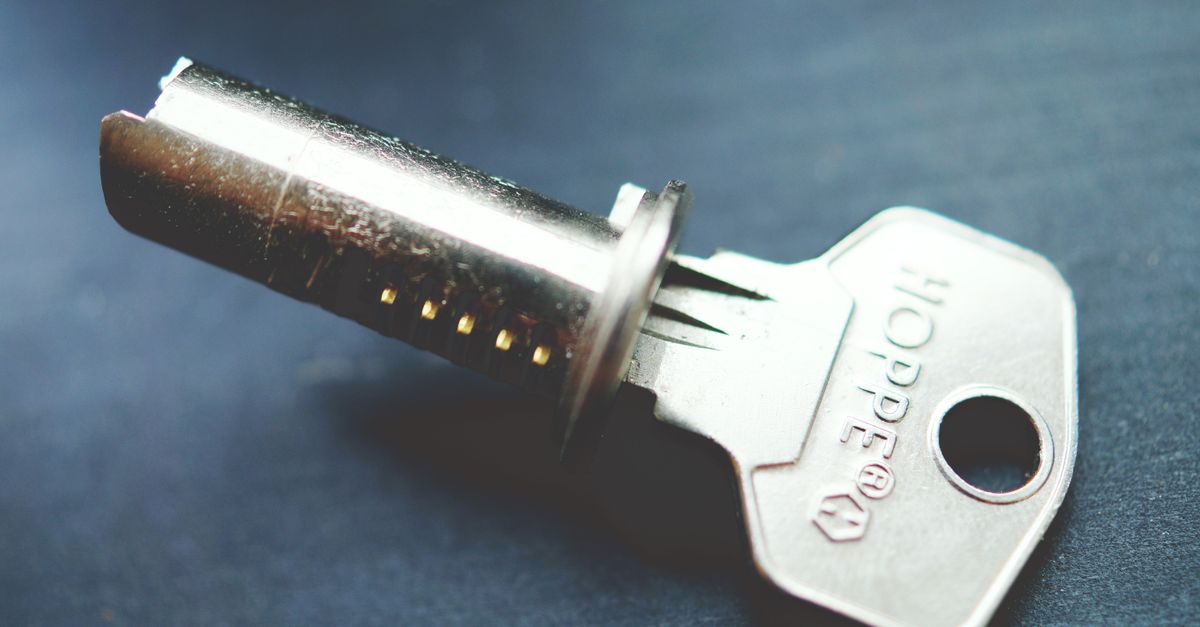
Pairing a mortise lock body with a restricted-keyway cylinder is where high-security lock installation becomes a long-term access-control strategy rather than a one-time repair. Restricted keyways are manufactured under patent protection and distributed only through authorized channels, meaning a duplicate cannot be cut without factory authorization or a documented request through our office. For a business with ten employees today and twenty next year, that traceability is operationally valuable: you always know exactly how many keys exist and who holds them. Our technicians carry a curated inventory of high-security cylinders — including Schlage Primus and Medeco configurations — so most commercial upgrades are completed in a single visit without ordering delays.